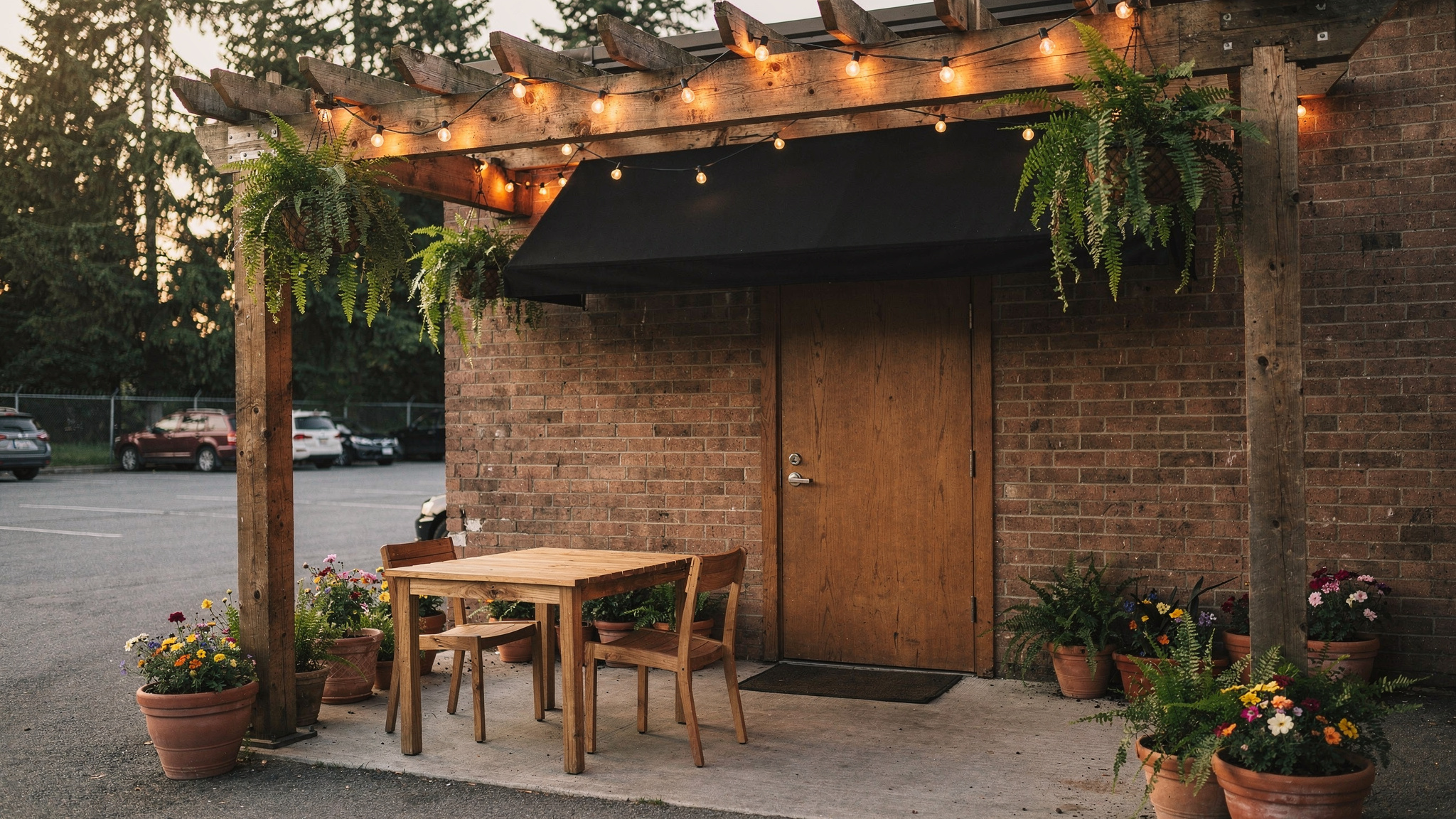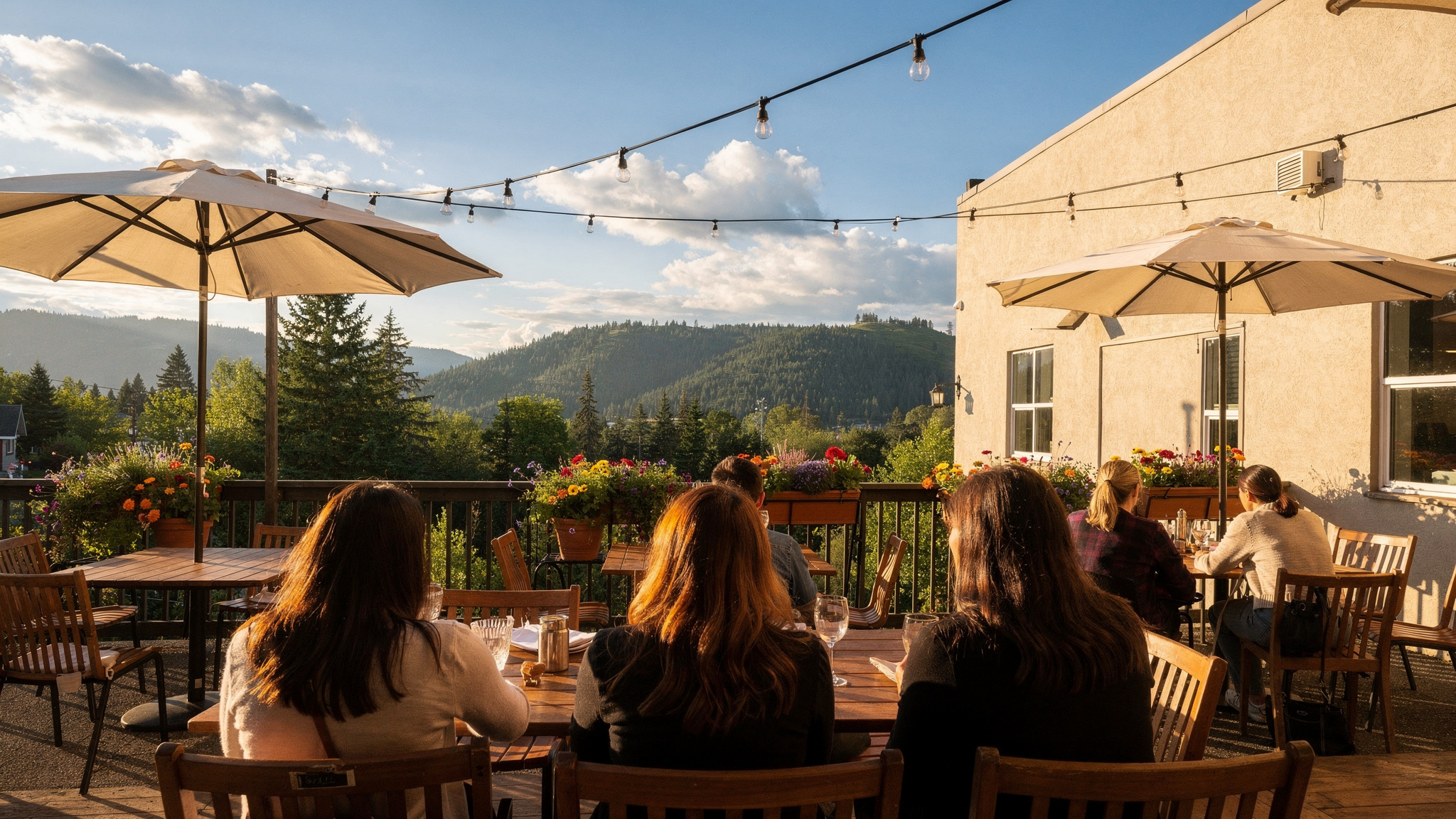

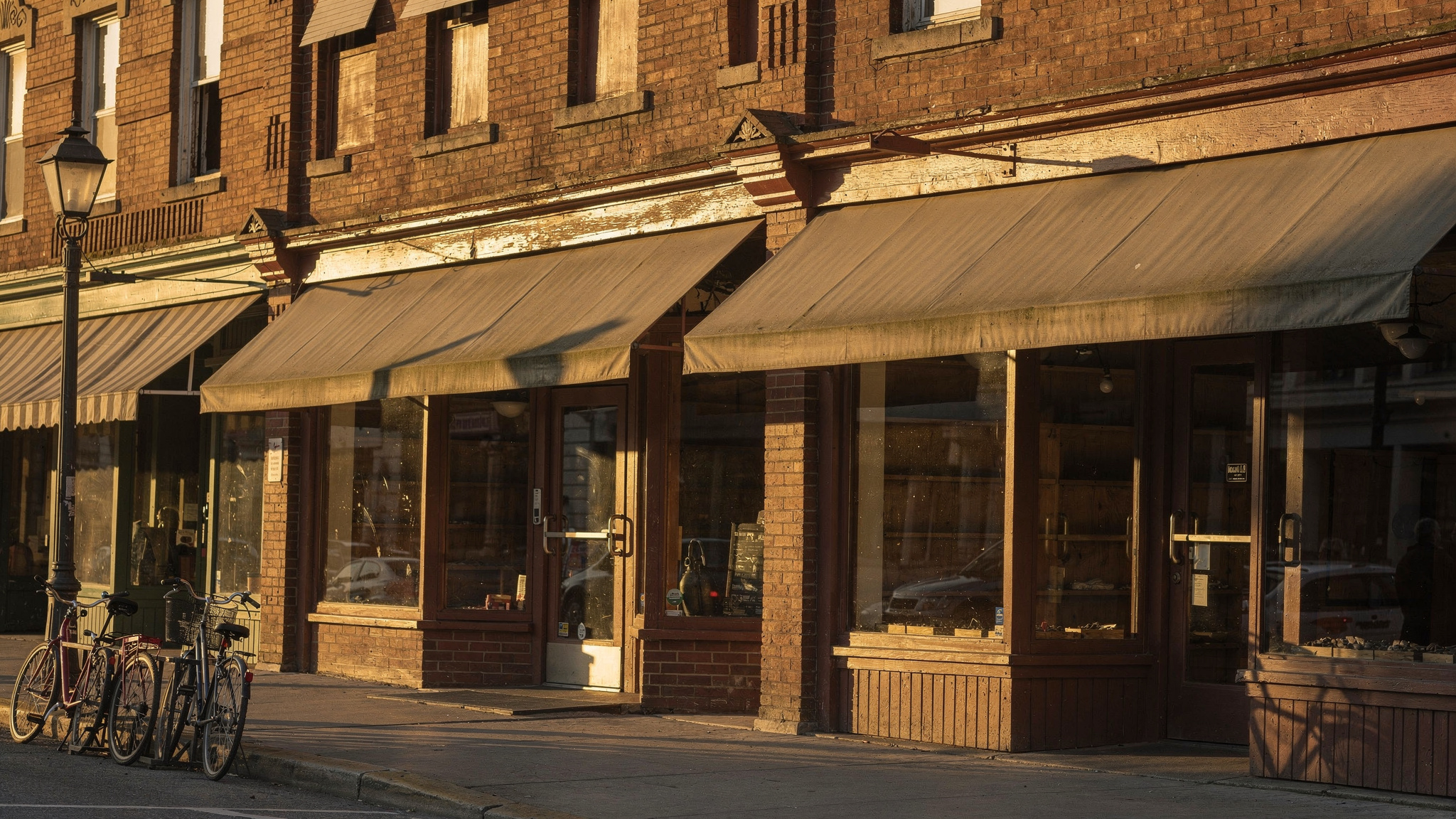
Long before Abbotsford grew into the sprawling city it is today, its commercial life was concentrated on a few blocks where South Fraser Way meets Essendene Avenue. This is Historic Downtown, the original townsite that grew up around the rail line after the community took its name in the early 1890s, and it still carries the brick facades, painted storefronts, and narrow lanes that mark it as the oldest part of the city. Unlike the newer retail strips further out, downtown was built for people arriving on foot or by streetcar, not by car, and that older grain is still very much part of what makes it worth a slow walk today.
What draws visitors back to this stretch of downtown is less any single landmark than the accumulation of small details: a hundred-year-old brick hotel now doing other work, a converted department store, laneways dressed up with murals, and a run of independently owned shops that trade in vintage furniture, antiques, and locally made goods rather than chain retail. It is a compact enough area to cover on foot in an afternoon, and distinct from both the green space at Mill Lake and the newer commercial corridors covered elsewhere, because its character comes specifically from history, architecture, and small local businesses rather than parks or big-box shopping.
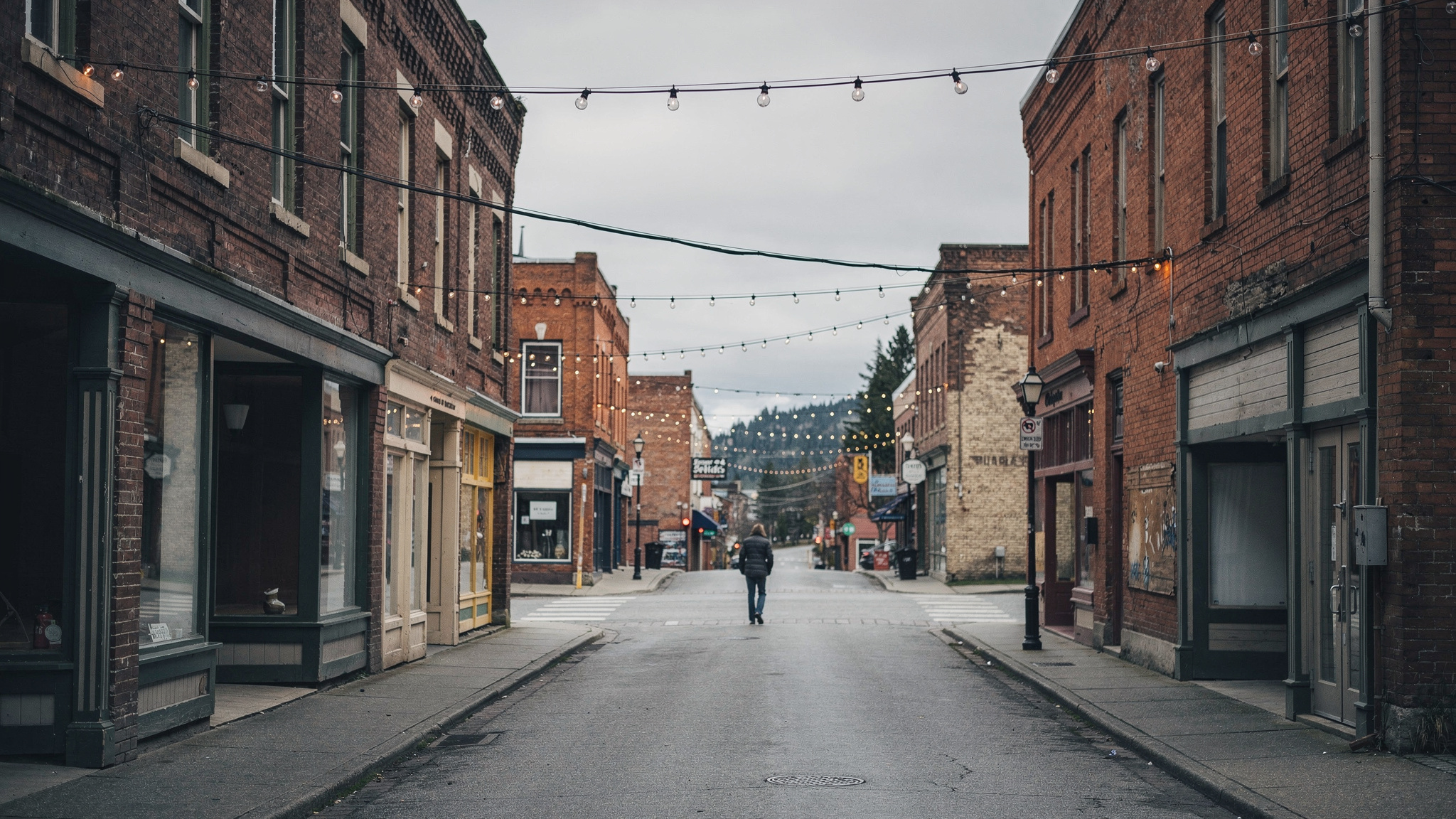
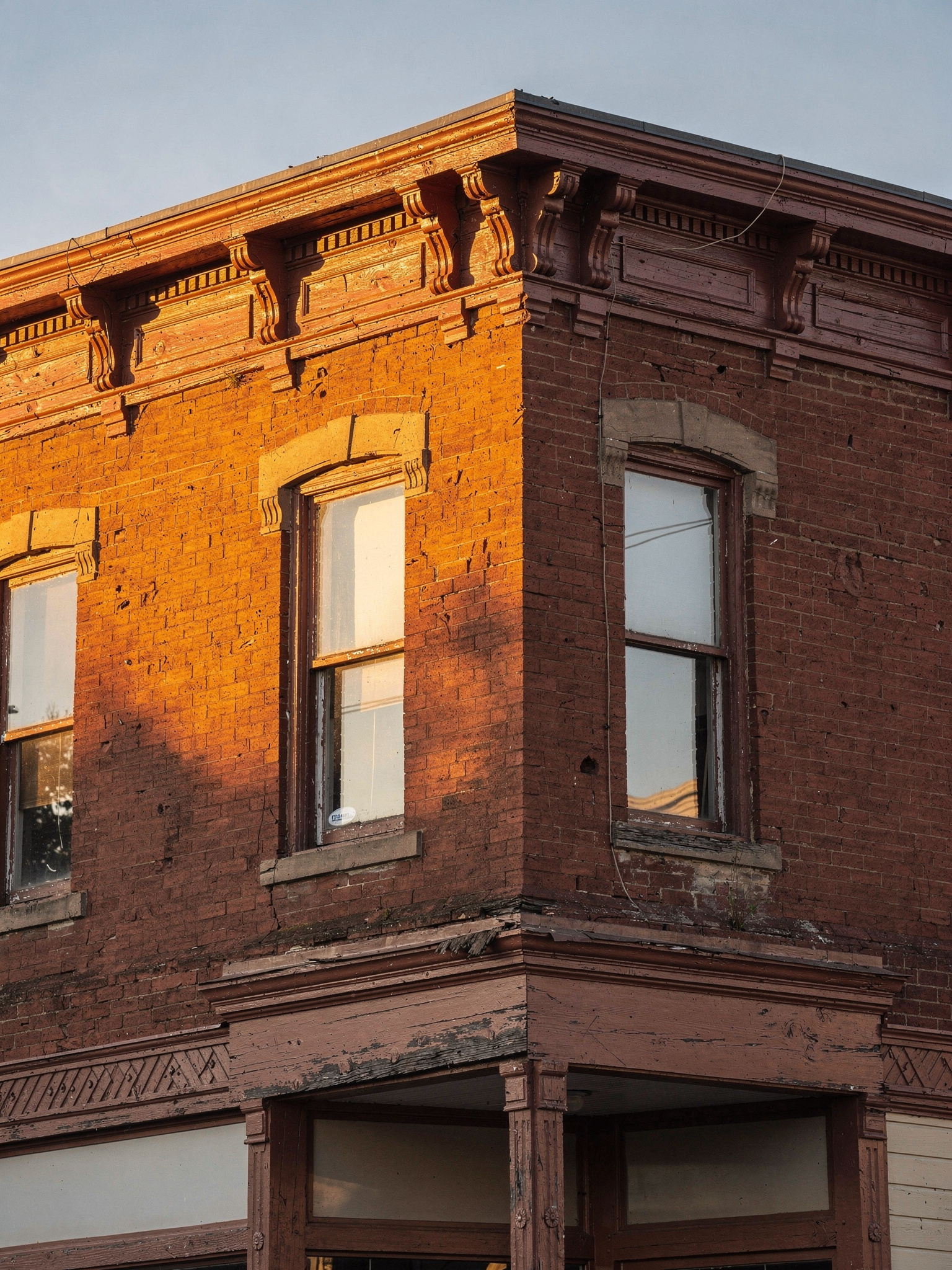
Essendene Avenue: The Original Main Street
Essendene Avenue traces its route along what was once the Old Yale Road, the wagon road that connected early Fraser Valley settlements before the railway arrived, which helps explain why this street rather than a newer arterial ended up as the historic commercial spine of the city. As the townsite around the CPR station filled in, storefronts went up along Essendene one and two at a time, and many of the low brick buildings that still line the street today date to that early build-out in the first decades of the twentieth century.
Walking Essendene now means passing a mix of preserved facades and adapted interiors, since several of the buildings have changed use more than once while keeping their original brick or masonry exteriors largely intact. That layering, an early twentieth century shell wrapped around a present-day shop, cafe, or studio, is a big part of what gives the street its texture, and it rewards visitors who look up at cornices and window lines rather than only at ground-level signage.
Because Essendene grew organically rather than being planned as a single development, block widths, building heights, and setbacks vary from one lot to the next, which keeps the street visually interesting in a way that more uniform, newer commercial strips generally are not. It remains the street most associated with downtown’s antique and vintage shopping scene, discussed in more detail below.
Landmark Buildings Worth Slowing Down For
A handful of buildings anchor the historic character of this stretch of downtown. The former Atangard Hotel, a two storey brick building at the corner of Essendene and Montvue avenues, opened in 1927 and took its name by combining the surnames of the two men who built it. The building has since been adapted for other uses while retaining its original brick exterior and prominent corner presence, and it remains one of the most recognizable heritage structures downtown.
Nearby, the former Daly’s Department Store building and the old Essendene Mall building both continue to house small independent businesses inside structures that were built for an earlier era of retail, and the former post office building has likewise been repurposed for present-day tenants while keeping its historic shell. Each of these buildings tells a version of the same story: a purpose-built commercial structure from downtown’s early decades, still standing and still working, just doing a different job than it once did.
A short walk from the Essendene and South Fraser Way core sits the old Sikh temple, a modest wood-frame building completed in 1911 by members of the local Sikh community who worked in the area’s mills and farms. It holds the distinction of being one of the only sites in Abbotsford recognized on Canada’s national historic register, and its plain, gable-roofed design stands in deliberate contrast to the brick storefronts nearby, a reminder that downtown’s early history was shaped by more than one community.
None of these buildings need to be visited in any particular order, and several are easiest to appreciate simply by walking the block slowly rather than treating the area as a checklist of stops.
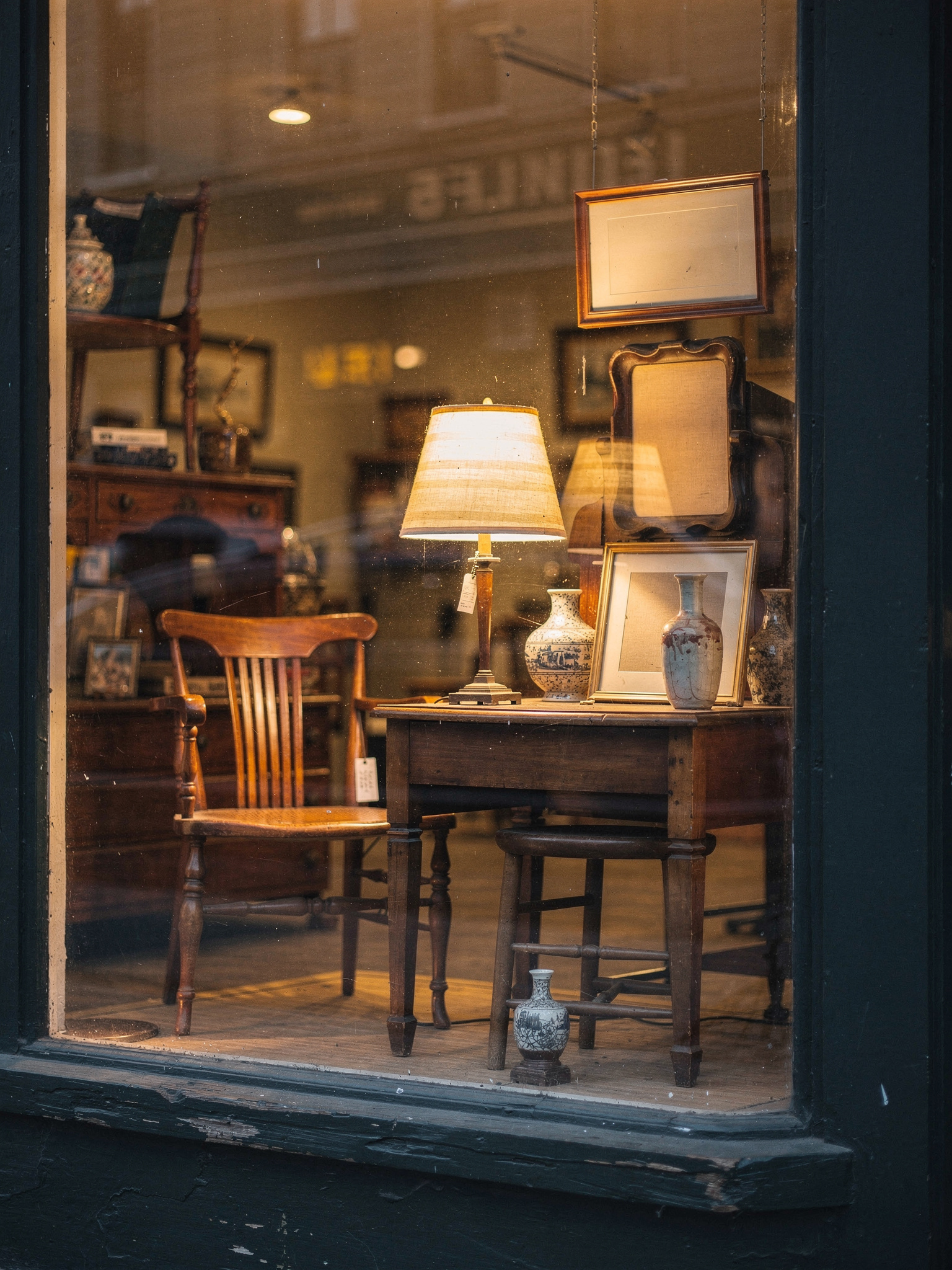
Independent Shops, Vintage Finds, and Local Makers
The retail character of Historic Downtown leans heavily toward independently owned shops rather than chains, and vintage and antique dealing is one of the threads that ties several storefronts together. A cluster of shops along and near Essendene deal in secondhand and antique furniture, home decor, and vintage clothing, often mixed with goods from local makers, so browsing one store frequently leads into its neighbour rather than standing alone as a single destination.
Alongside the antique and vintage trade, downtown supports a rotating mix of small boutiques, gift shops, and specialty retailers that change more often than the historic buildings around them, which is part of the appeal for regular visitors. Because the area is compact, it is easy to duck into several shops within a single block rather than needing to drive between stops, and browsing on foot tends to turn up smaller, less heavily marketed businesses that would be easy to miss from a car.
Downtown’s independent food and drink scene follows the same pattern, with small, locally run cafes and restaurants occupying storefronts inside or beside the historic buildings, giving visitors an easy way to break up a walk with a coffee or a meal without leaving the core few blocks.
Public Art and the Character of the Laneways
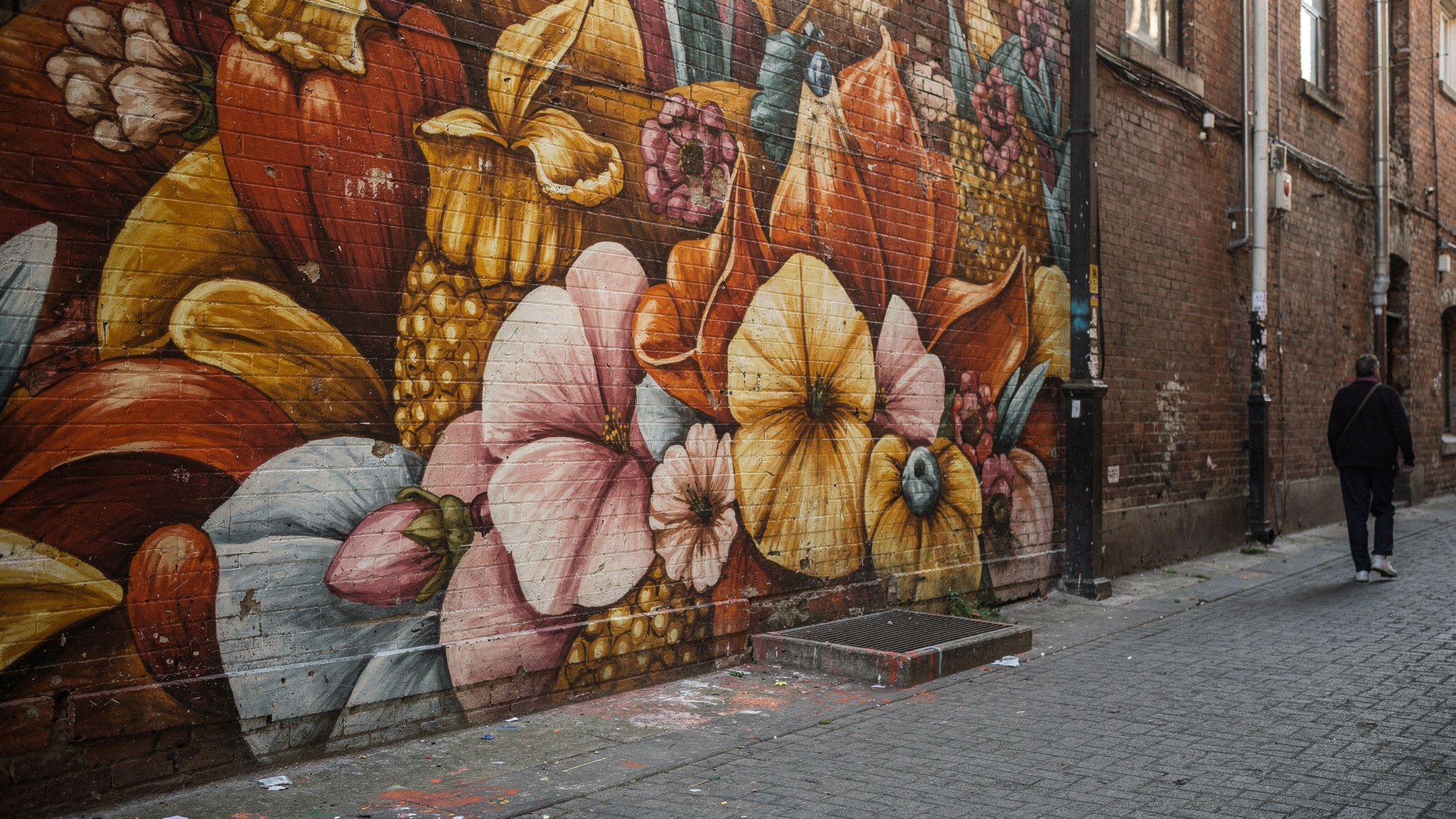
Beyond its buildings, Historic Downtown has been steadily layered with public art, including laneway murals, painted utility boxes, and small plaques that explain points of local history along the sidewalk. These additions have turned some of downtown’s plainer service lanes into small attractions of their own, rewarding visitors who wander a block off the main street rather than sticking strictly to Essendene Avenue or South Fraser Way.
The murals vary widely in style and subject, from playful, colourful pieces to more pointed community storytelling, and new work continues to be added as the area’s public art program grows. Because the pieces are scattered across several lanes and building walls rather than concentrated in one spot, finding them naturally encourages a slower, more exploratory pace through downtown, which suits an area built at a human, walkable scale in the first place.
Taken together, the murals and heritage plaques function as an informal, self-guided layer of storytelling laid over the built heritage of the district, so even a first-time visitor with no background on the area’s history will pick up fragments of it simply by walking the blocks with their eyes open.
Getting to Historic Downtown Abbotsford
Historic Downtown sits along South Fraser Way and Essendene Avenue in central Abbotsford, a short drive from Highway 1 and distinct from the newer commercial areas and from Mill Lake Park, which lies nearby but is its own separate green space rather than part of the historic commercial core. Street parking and several public lots serve the downtown blocks, and because the core historic stretch is only a handful of blocks long, a car is really only needed to get to the area rather than to move around within it.
Once parked, the historic core is entirely walkable, with Essendene Avenue and South Fraser Way as the two main streets to orient around and the laneways in between worth a detour for the public art. For current business hours, event listings, and any downtown-specific programming, the City of Abbotsford’s own tourism and downtown resources are worth checking before a visit, since small independent shops can keep varying hours.
Tips for Exploring Historic Downtown
Plan to walk rather than drive between stops. The historic core is compact enough that parking once and covering the area on foot works far better than trying to move a car block to block, and walking is the only way to properly notice the upper storeys of the older brick buildings.
Set aside time for the laneways, not just the main streets. Several murals and smaller public art pieces sit just off Essendene Avenue and South Fraser Way, and skipping the lanes means missing a meaningful part of what makes downtown visually interesting today.
If antique or vintage shopping is a priority, budget more time than you think you will need. The shops along Essendene reward slow browsing, and it is easy to lose track of time moving between a cluster of stores that sit within a block or two of each other.
Check individual shop and cafe hours before making a special trip, particularly on Sundays or early evenings, since hours at small independent businesses can vary more than at larger retail areas.
Questions Often Asked
What streets make up Historic Downtown Abbotsford?
Historic Downtown is centred on South Fraser Way and Essendene Avenue in central Abbotsford, an area that grew up around the original townsite and rail line and still holds the highest concentration of early twentieth century commercial buildings in the city.
Is Historic Downtown Abbotsford the same as Mill Lake Park?
No. Mill Lake Park is a separate green space near the centre of the city, while Historic Downtown is the compact commercial and heritage district along South Fraser Way and Essendene Avenue. The two are within reasonable distance of each other but offer very different experiences.
What kind of shops are found in Historic Downtown?
The area is known for independently owned shops rather than chain retail, with a strong cluster of antique and vintage furniture and clothing dealers along Essendene Avenue, along with small boutiques, gift shops, and local cafes and restaurants tucked into the historic buildings.
Are there heritage buildings still standing in downtown Abbotsford?
Yes. Several early twentieth century commercial buildings remain along Essendene Avenue and South Fraser Way, including a former hotel from the 1920s and other converted retail buildings, alongside a nearby wood-frame temple completed in 1911 that is recognized on Canada’s national historic register.
Is Historic Downtown Abbotsford walkable?
Yes. The historic core covers only a handful of blocks, making it easy to park once and explore on foot, including the laneways off the main streets where much of the area’s public art and murals are found.